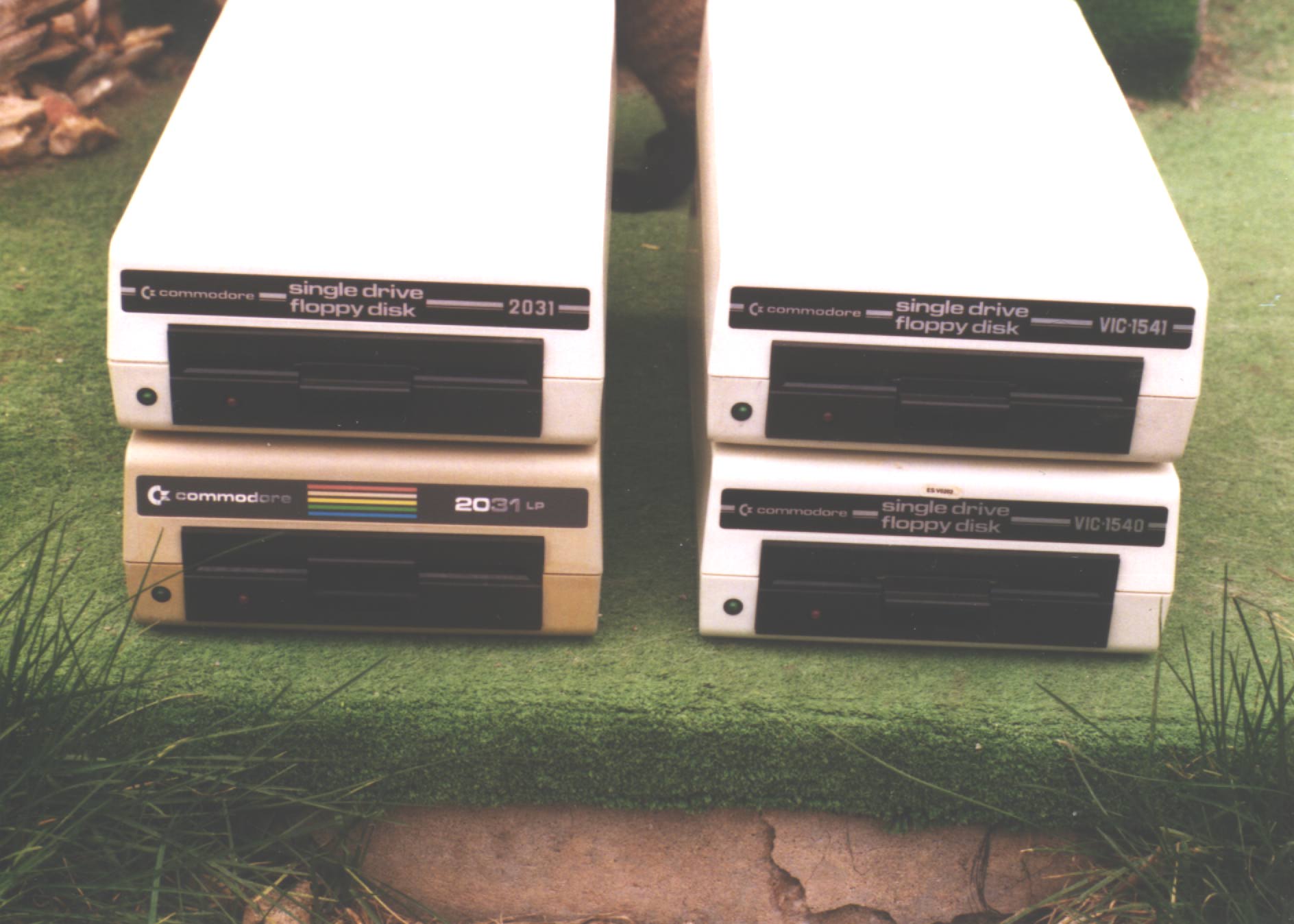
Here are the pictures of George Page's computer collection, part 2. You'd better view them through the file gpage2.html, which has full descriptions of the images.
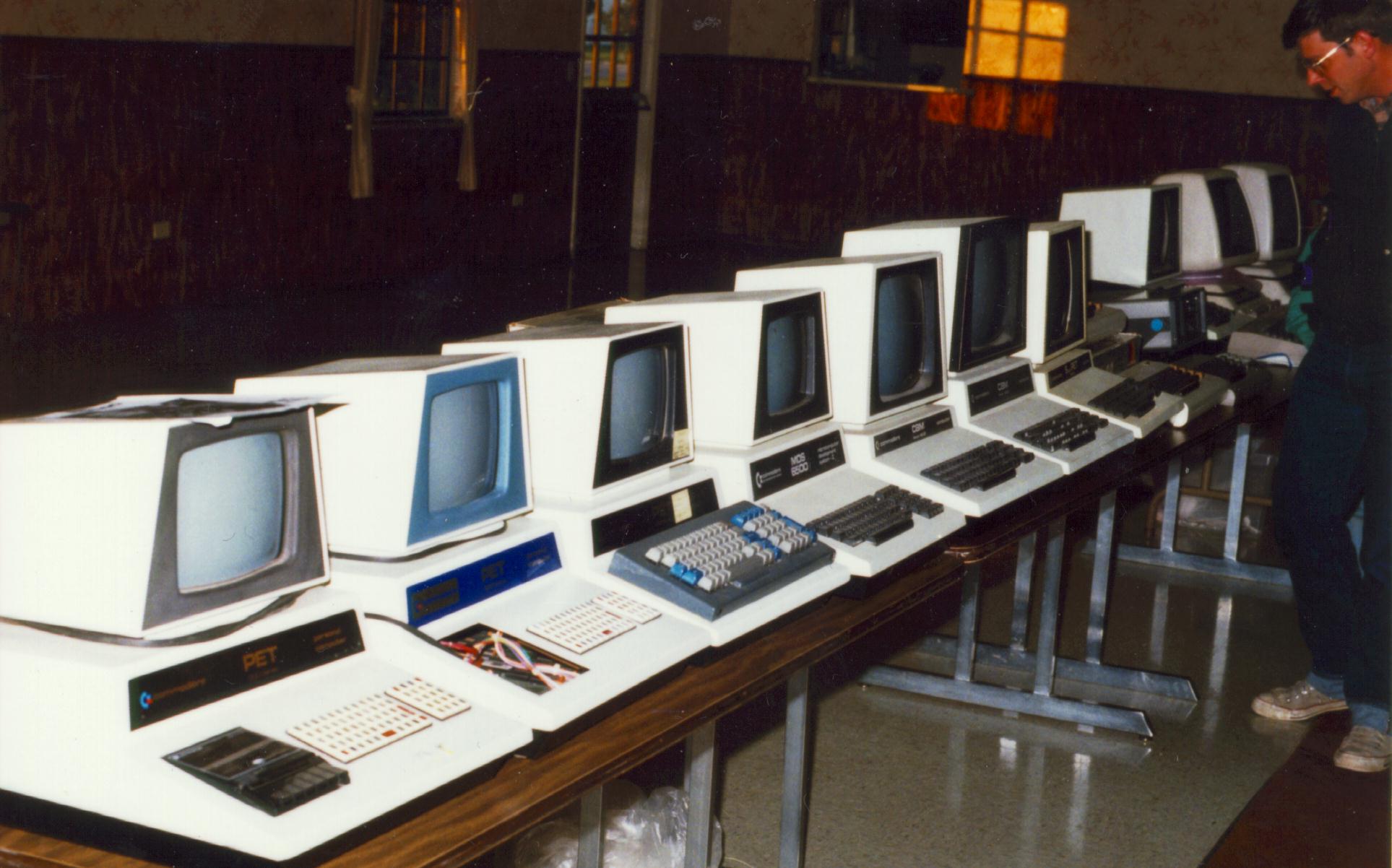
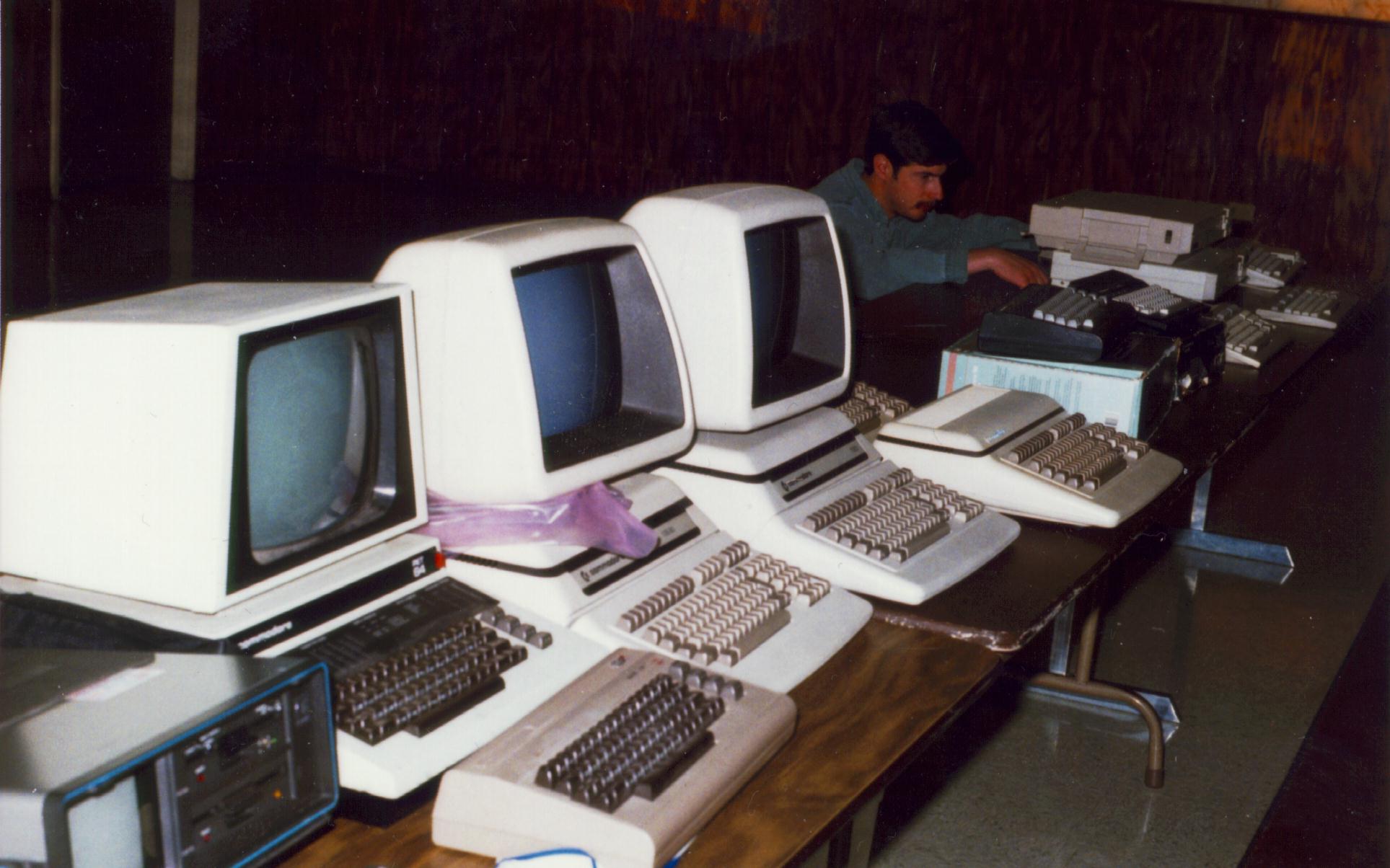
These pictures were all taken while the machines were on display at the club meeting. I tried to display them in chronological order as best as I could. Each will be covered in more detail further on through the pictures. Looks like I had 26 on display. All of these belong to me except for the Educator 64 in the standard 64 case. (This is the one that looks like a regular 64 in picture #2, with no logo on its case.)
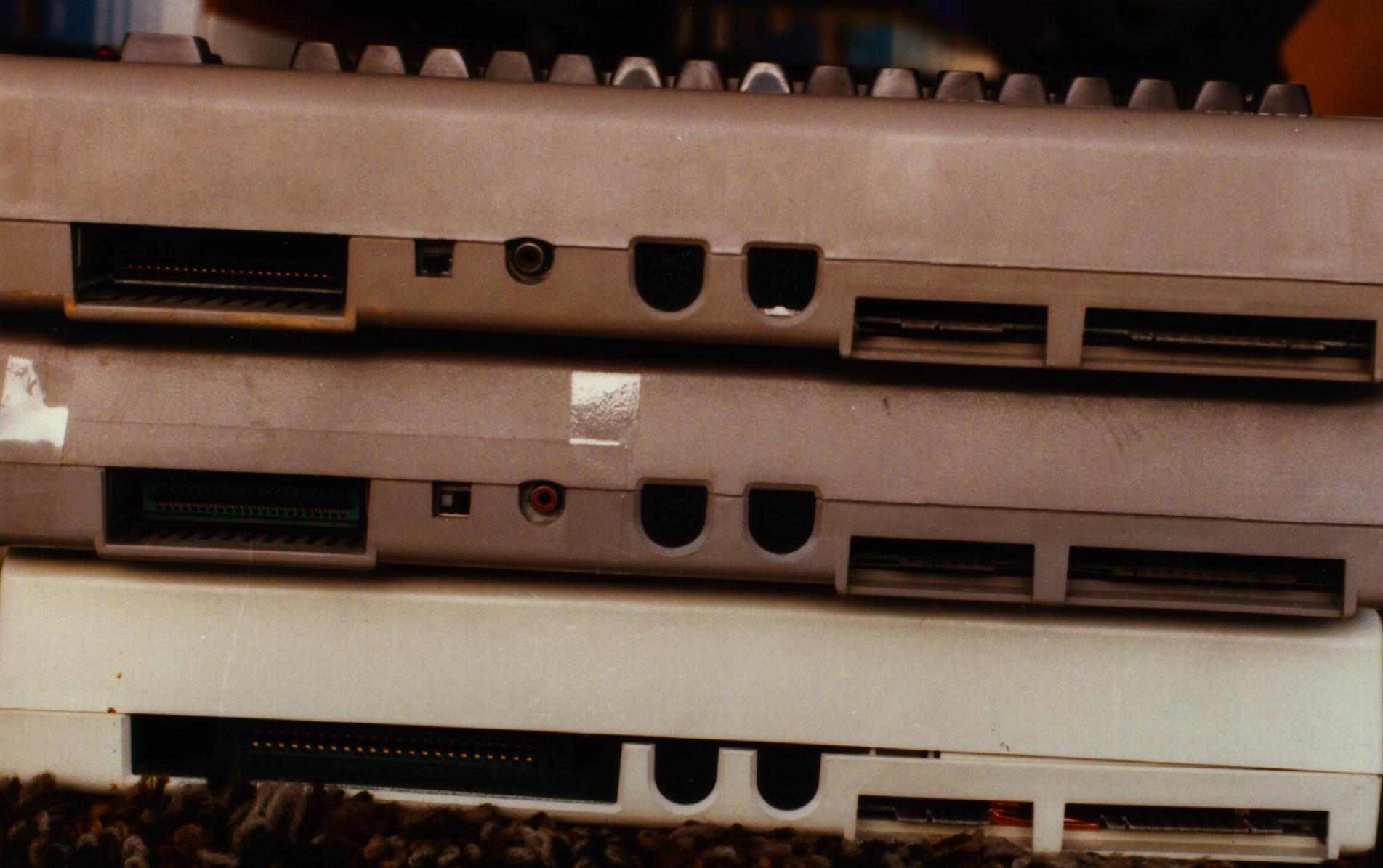
Close-ups of these three machines. I was hoping the yellow stick-on label could be read, but no luck. It identifies the added keyboard as made by Maxi-Switch Company, P/N 2160020, with S/N 820-170. Also had # 630011-05 on the keyboard. The cassette unit visible in the pictures is one of the oldest I've found. It doesn't even say Commodore anywhere on the outside, but has a Commodore board inside to replace the original audio boards. It was a standard portable audio cassette recorder of the late 70's, modified by Commodore--the original manufacturer's name was scratched off the cover!
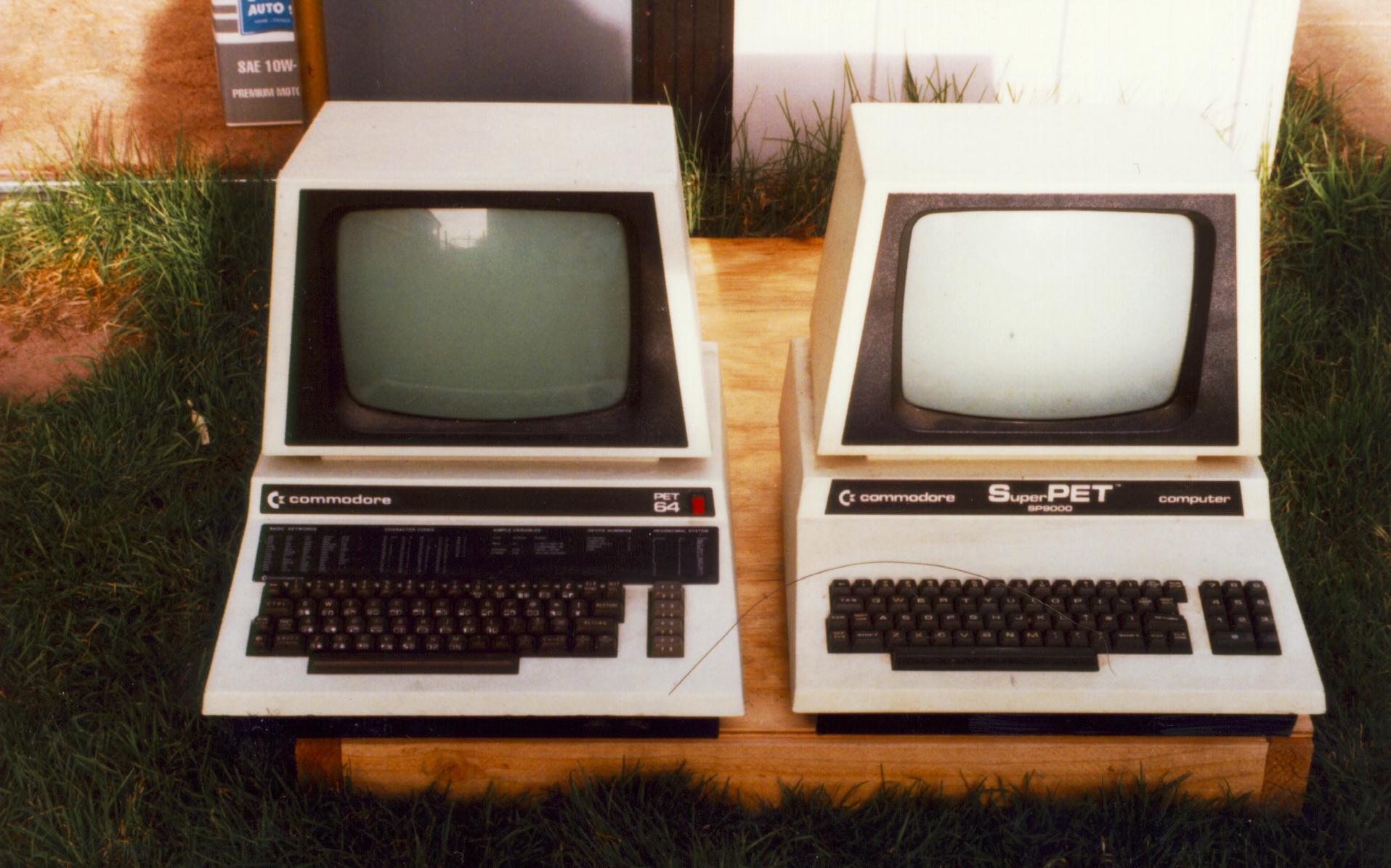
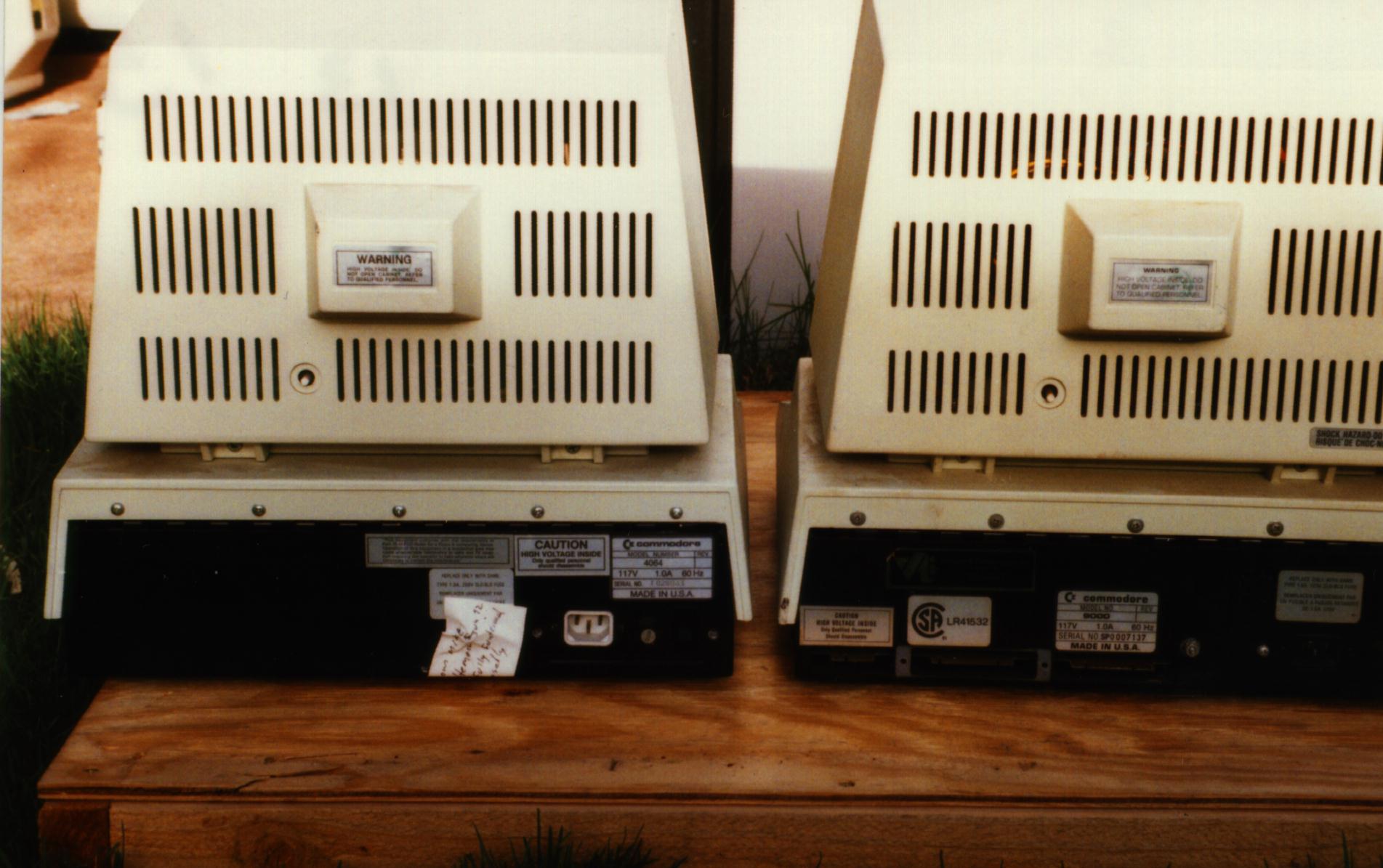
A 4064 (Educator 64 in a standard large PET case) and a SuperPET (SP9000). #12 shows the switches on the side of the SP that switched between ROMs and also write-protected memory.
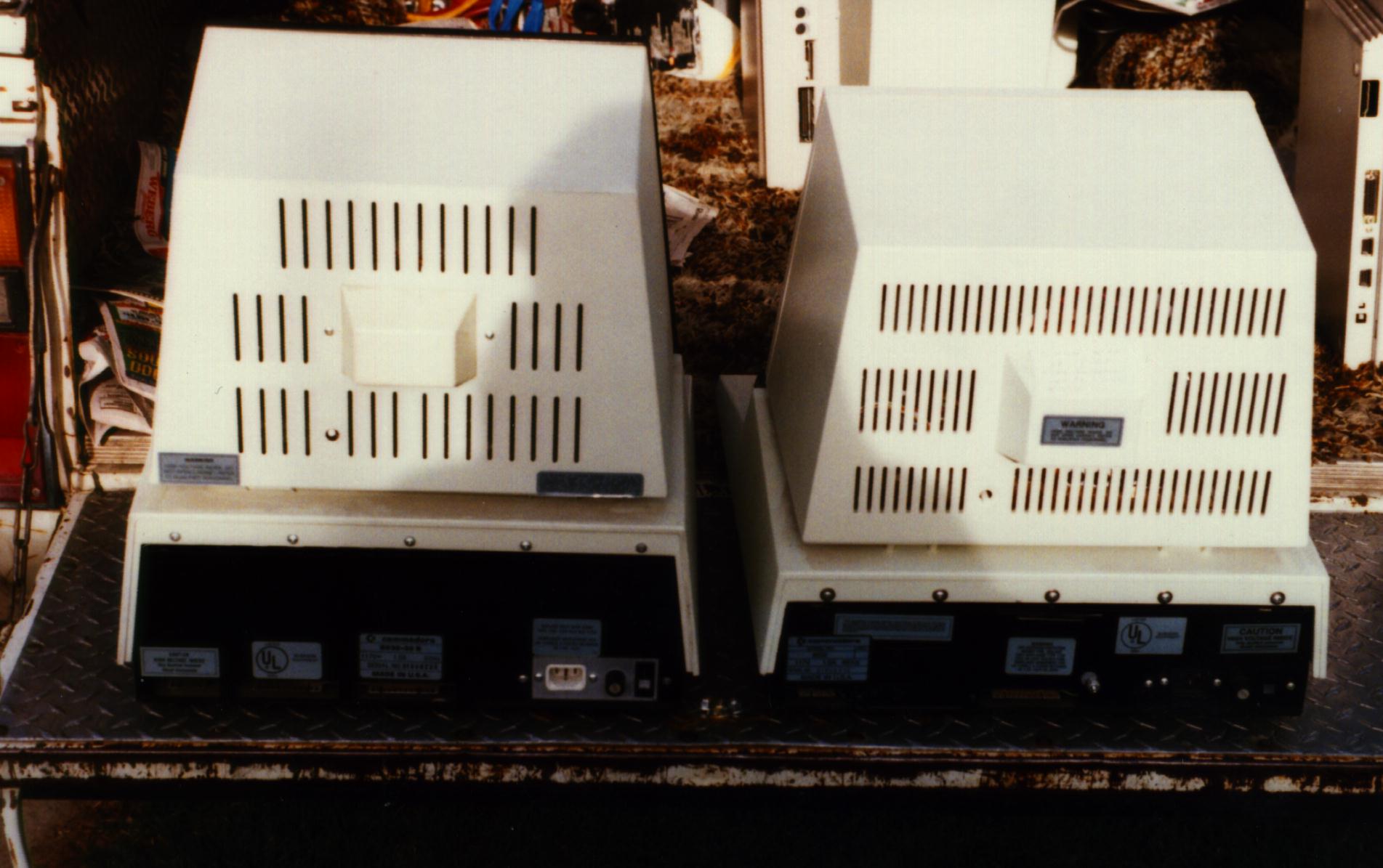
An 8032 and 8032-32-B (high profile case). The high-profile case allowed the installation of internal drive mechanics, like the 8250 LP, and the 4040 LP (if the 4040 LPs were actually made).
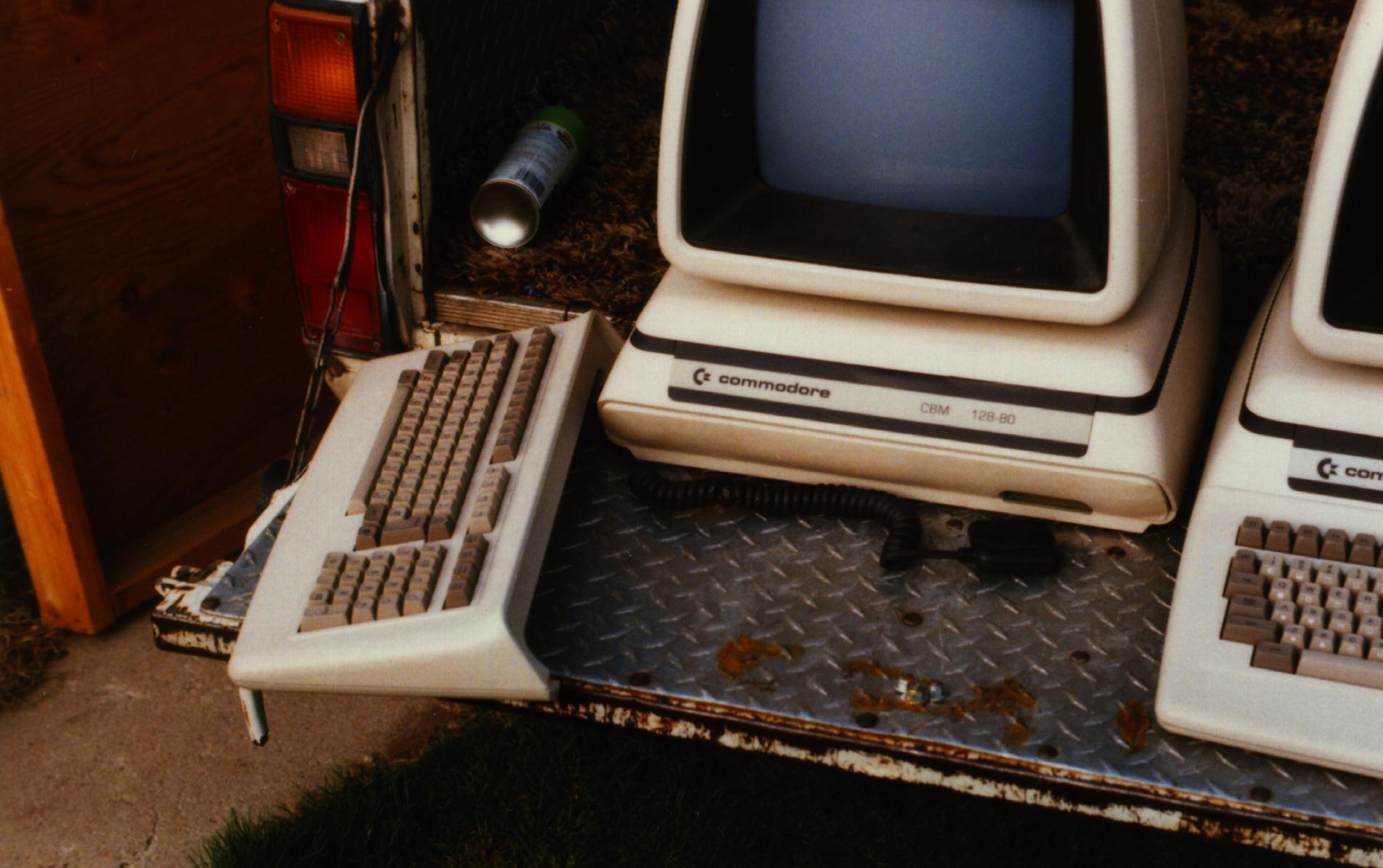
Two low profile B/P series machines, and an MDS 6500. The left hand machine is a P500. The MDS6500 was a specially modified PET 2001-32N with some built-in software and a matching 2040 drive. Supposedly less than 500 made. (But this has S/N 804932 on back--maybe CBM's original number for the unmodified machine?) The right machine is a B128-80LP.
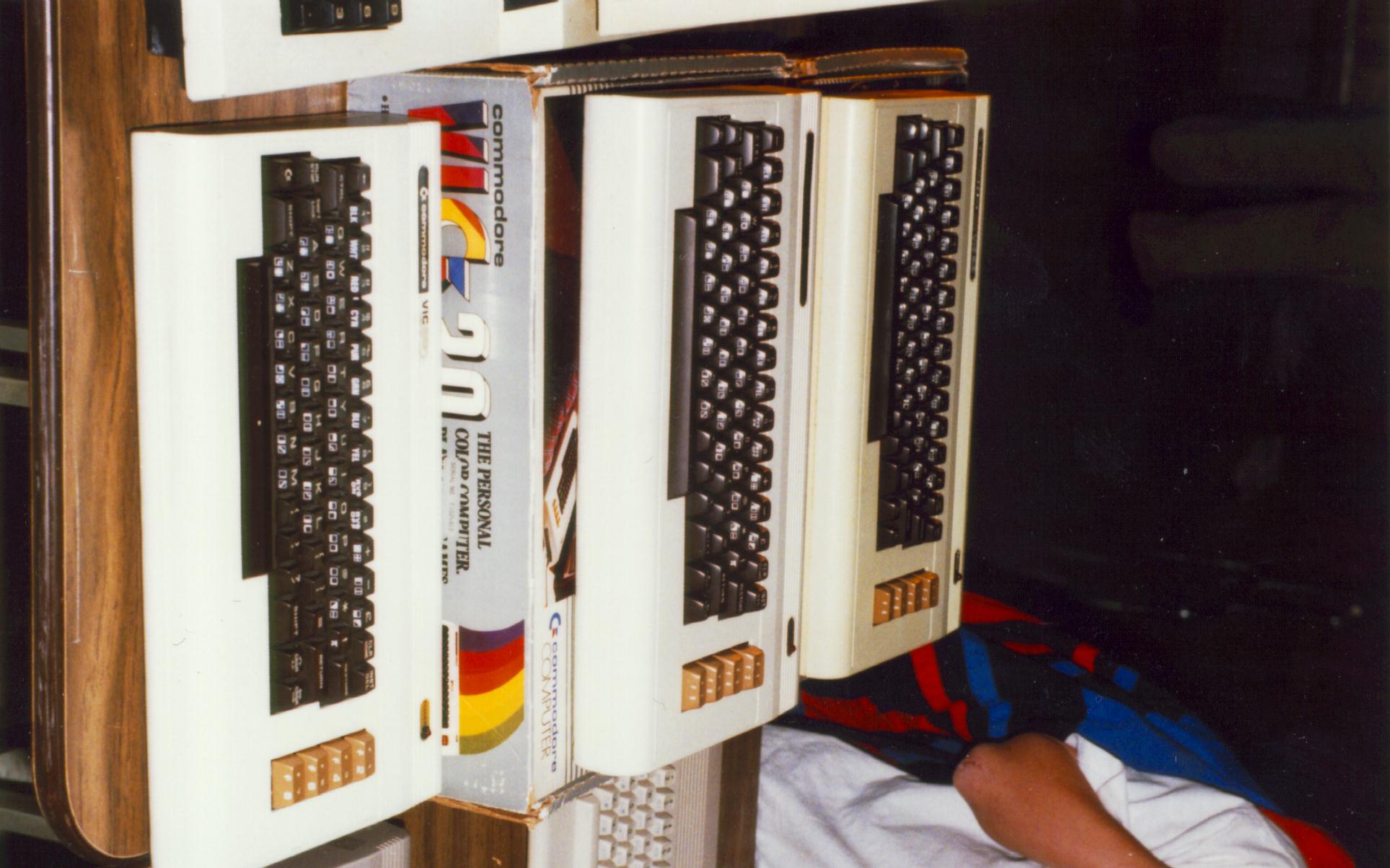
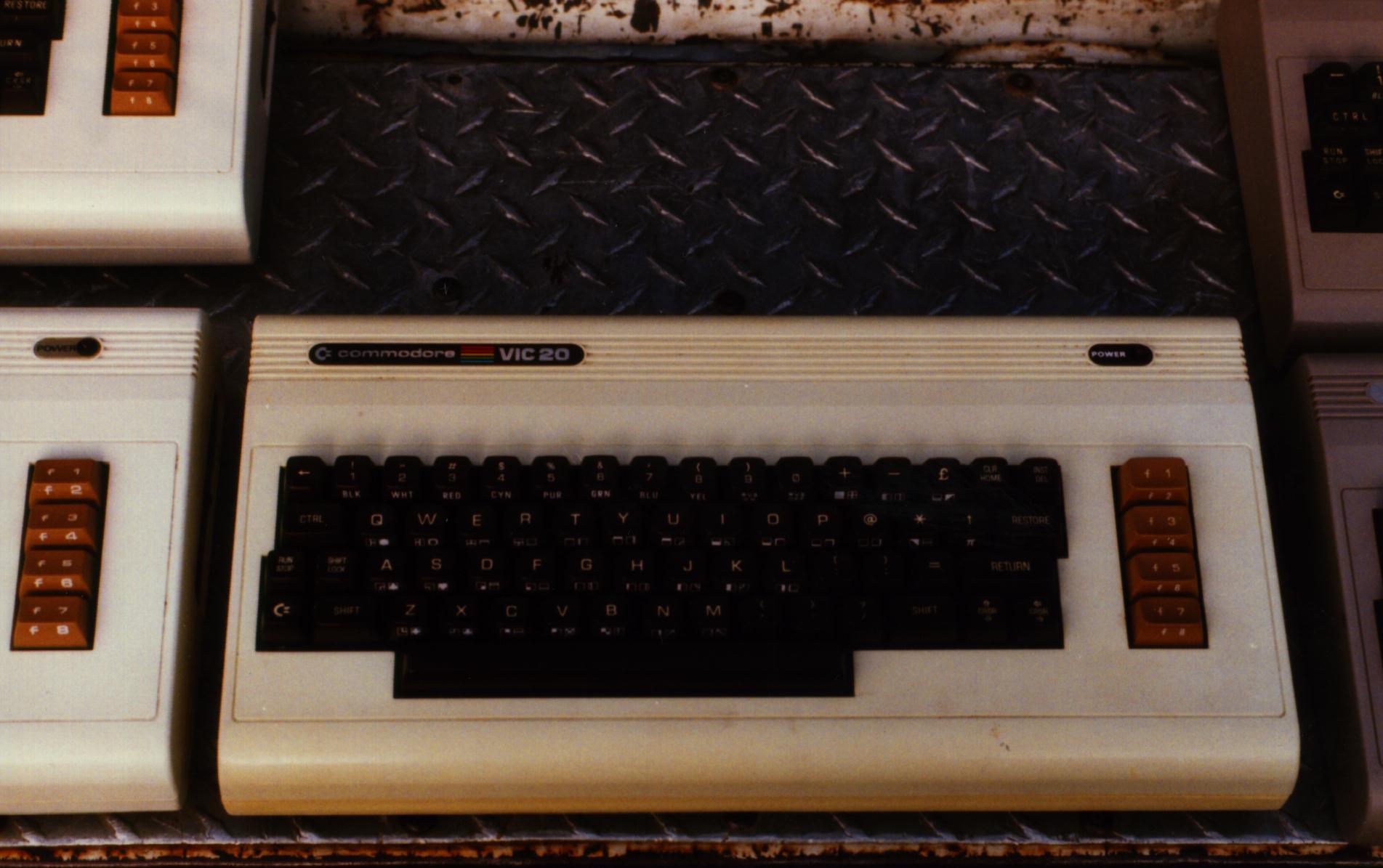
Three different style VIC-20's ('82). 3 different keyboards styles (if you look closely), the two different case labelings, and picture 29 shows the two different side panel/power connectors. #29 also shows a standard C64 for comparison.
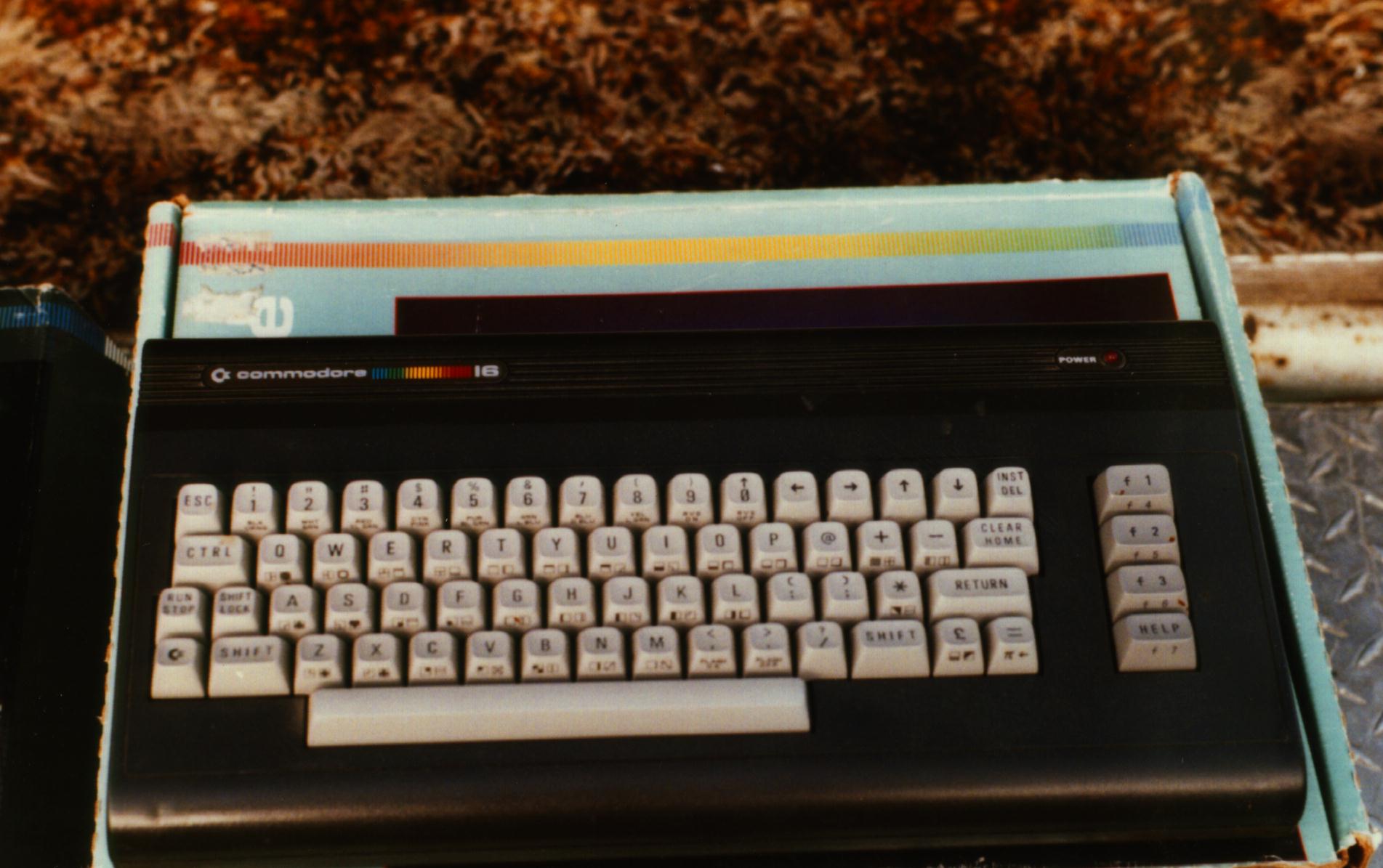
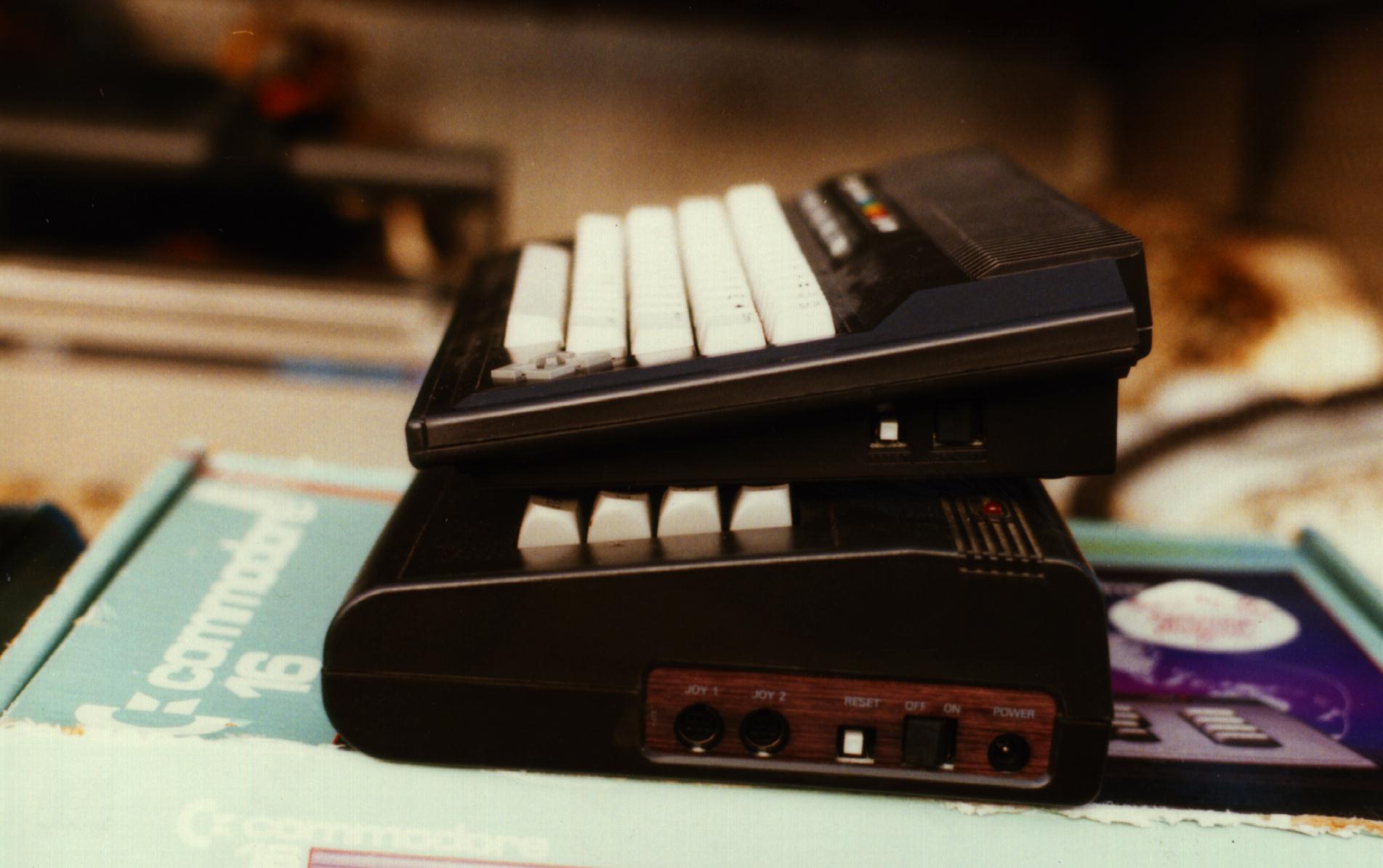
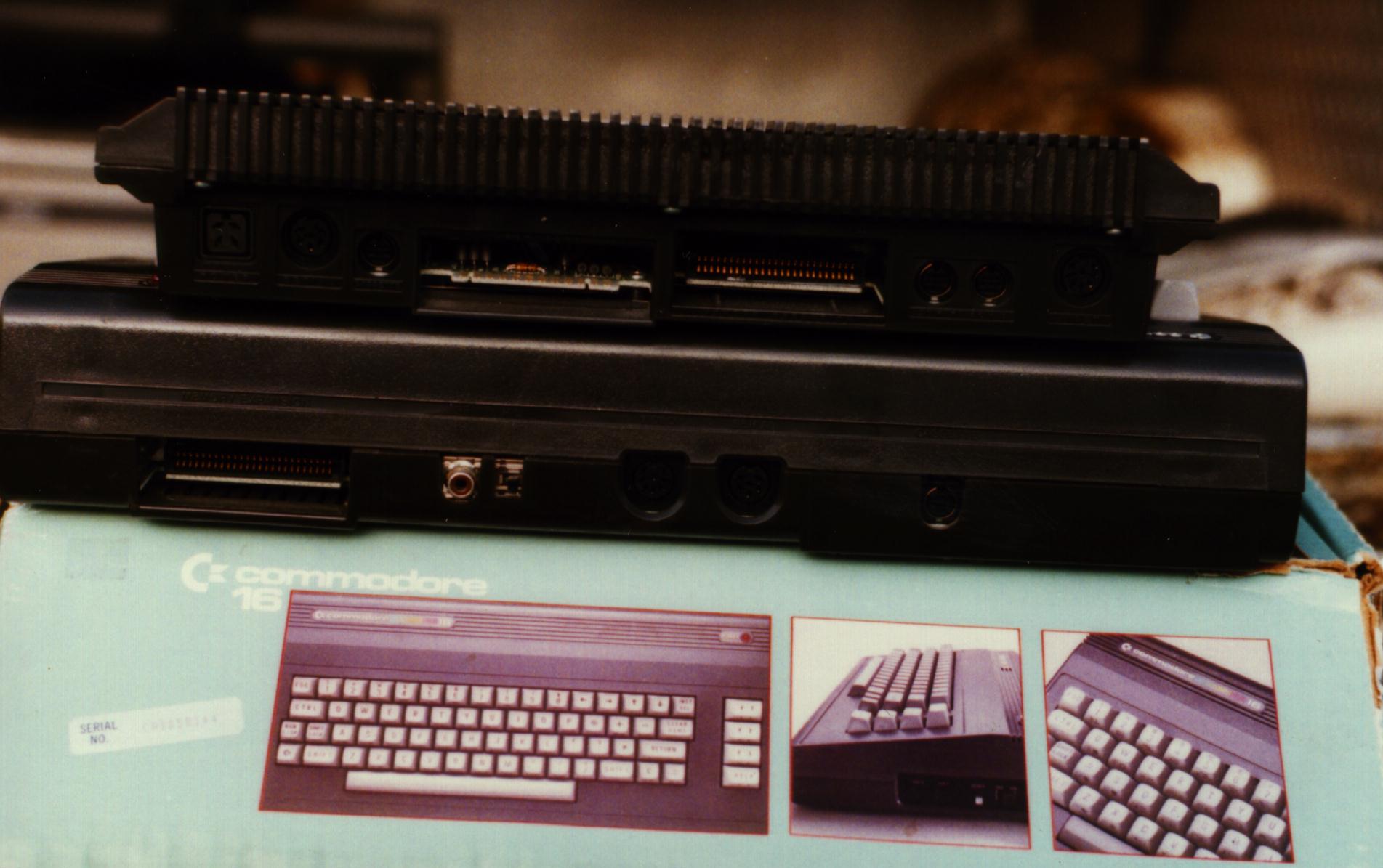
Various views of a C16 and Plus/4, along with their boxes and power supplies. The Plus/4 is the smaller machine, with the larger power supply (square plug). ('84)
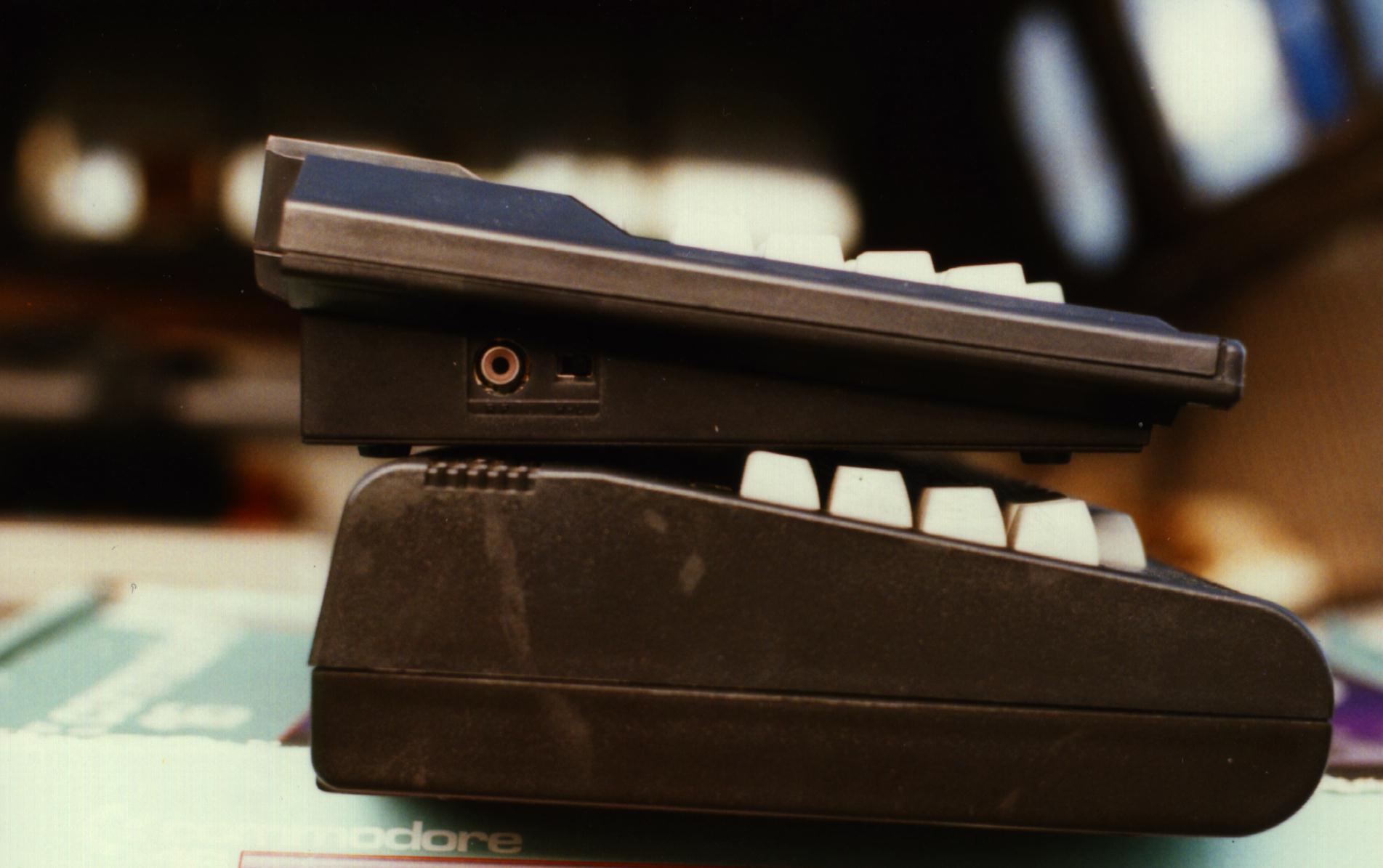
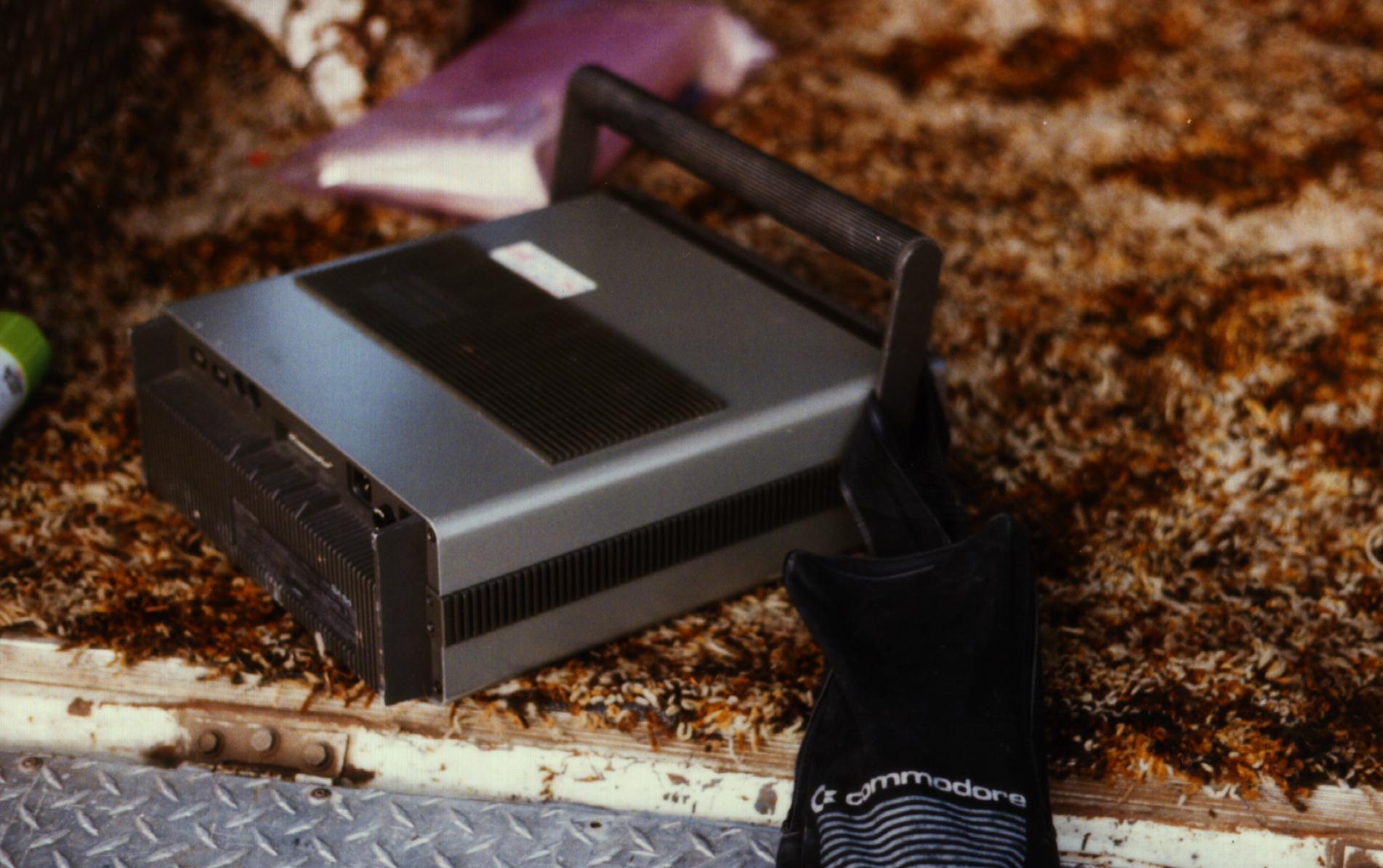
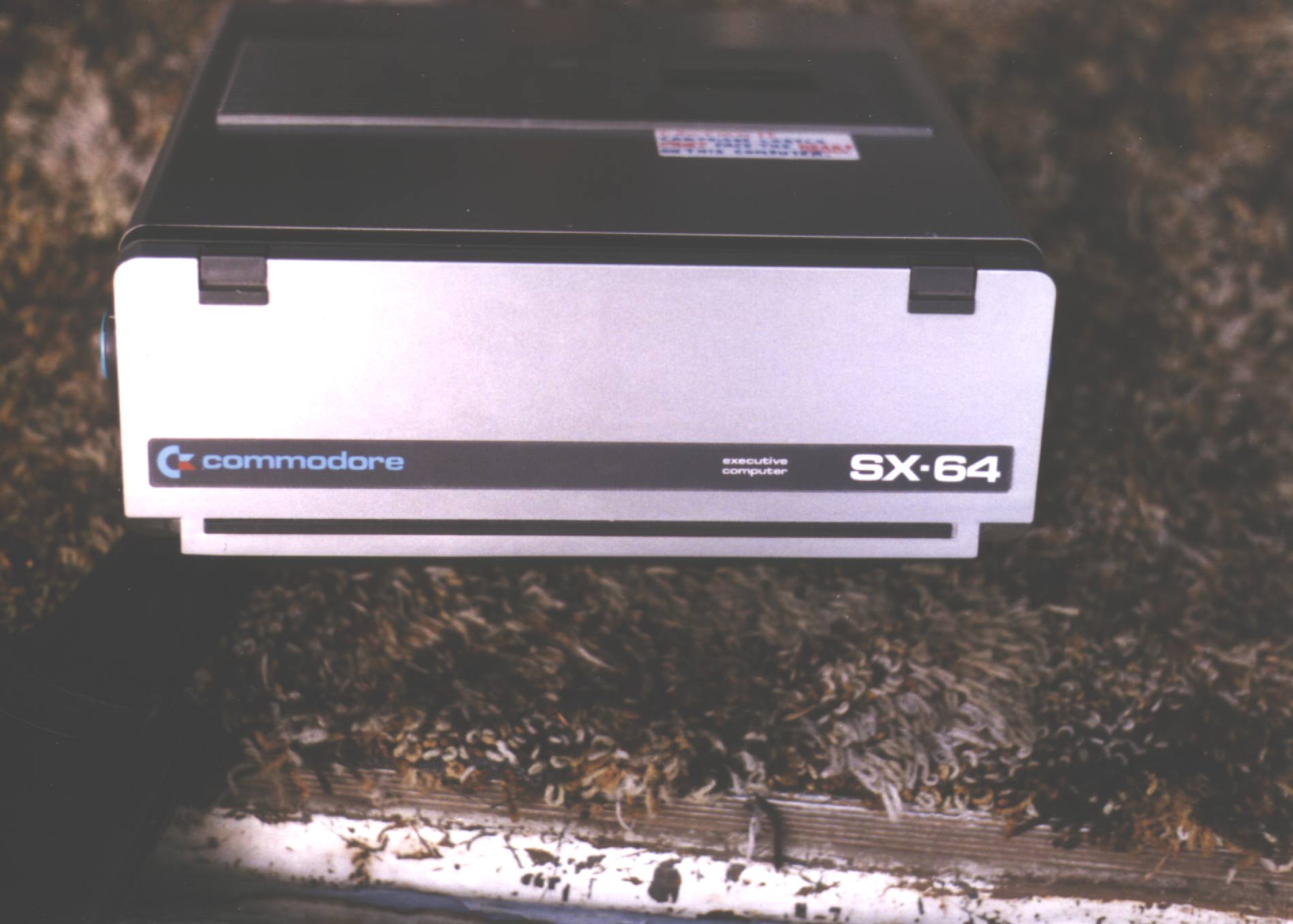
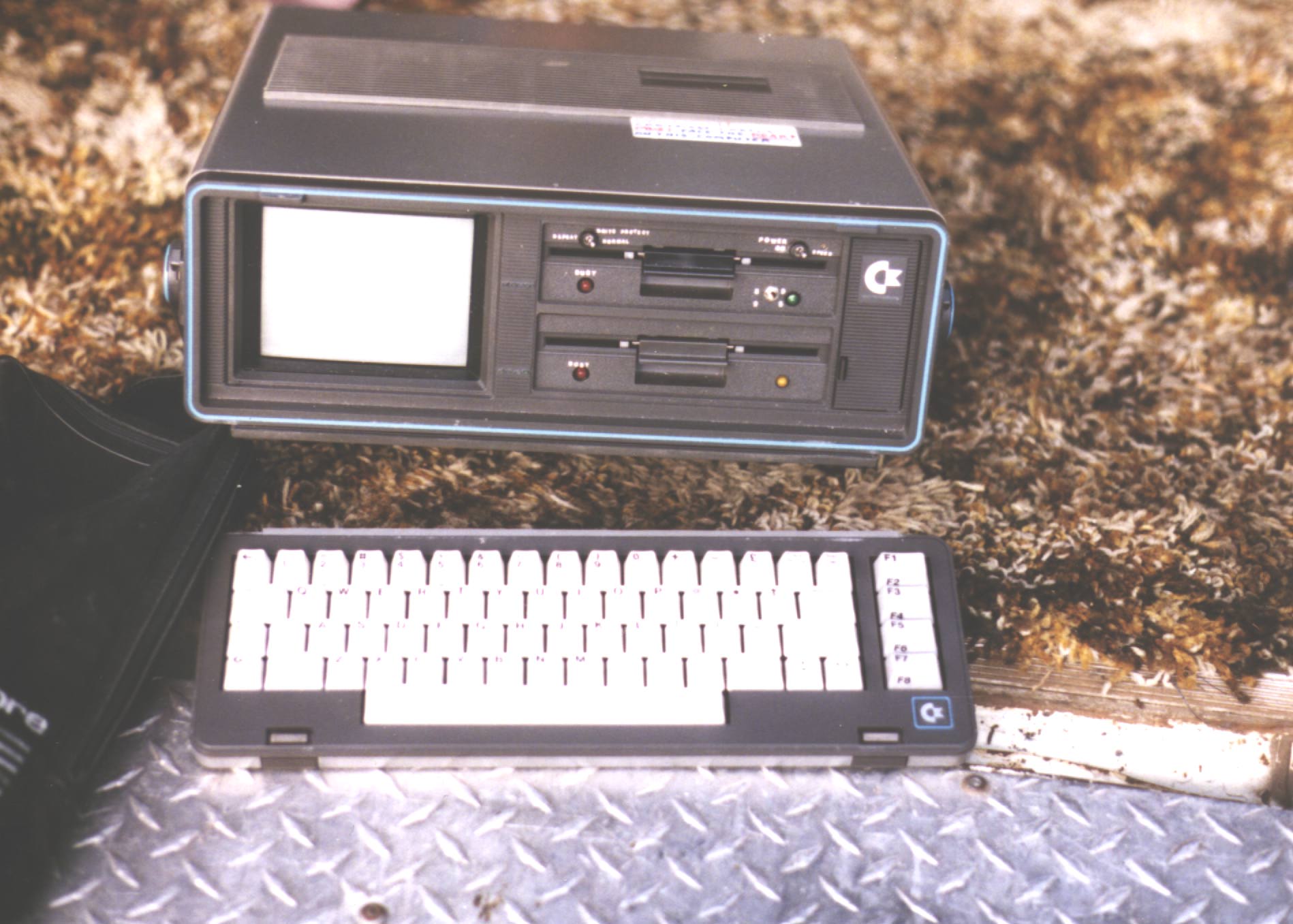
Various views of an SX64. This is mine that I added the second drive into. A few extra switches and stuff, for toggling device numbers, turning second drive on/off, and un-write protecting.
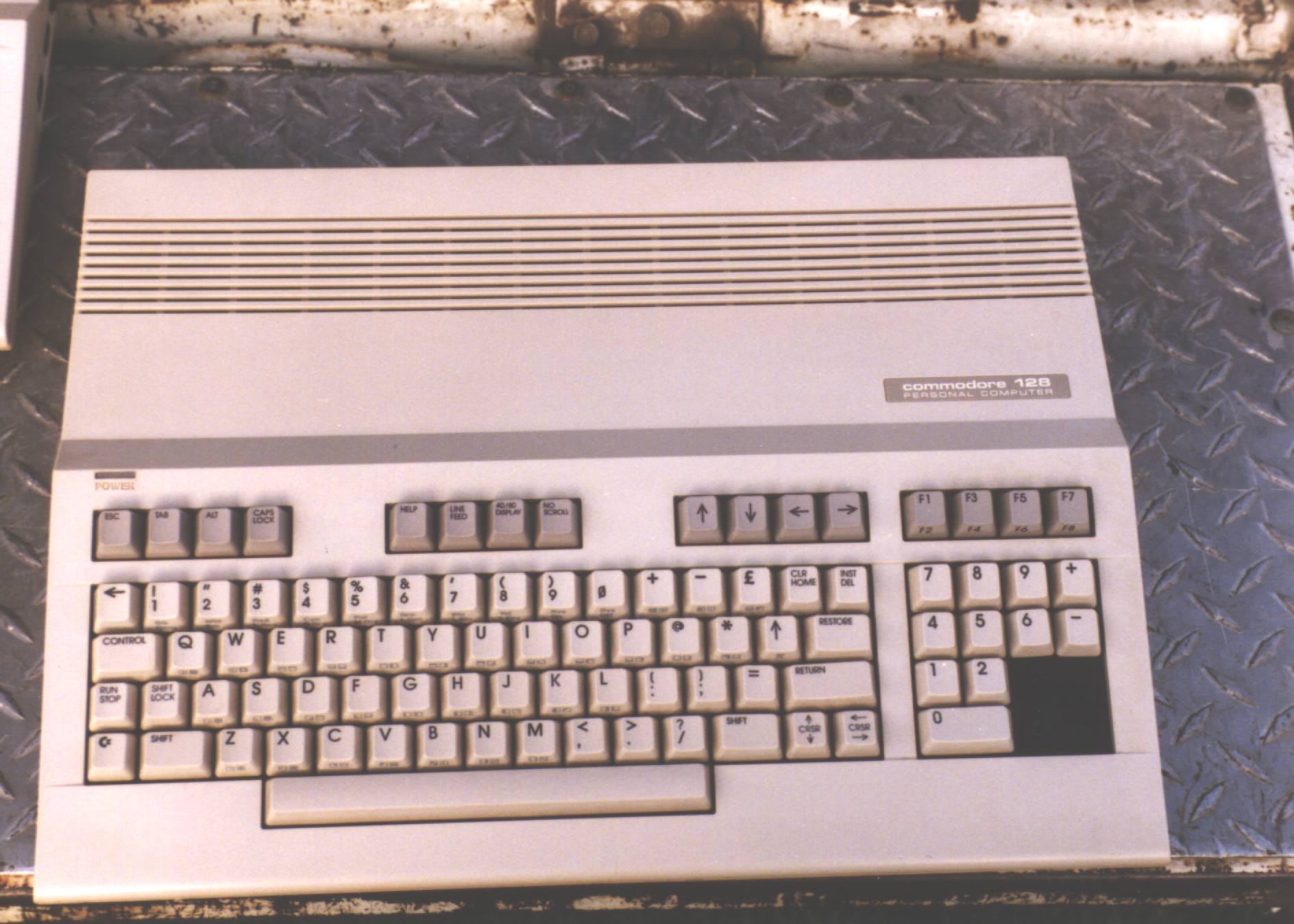
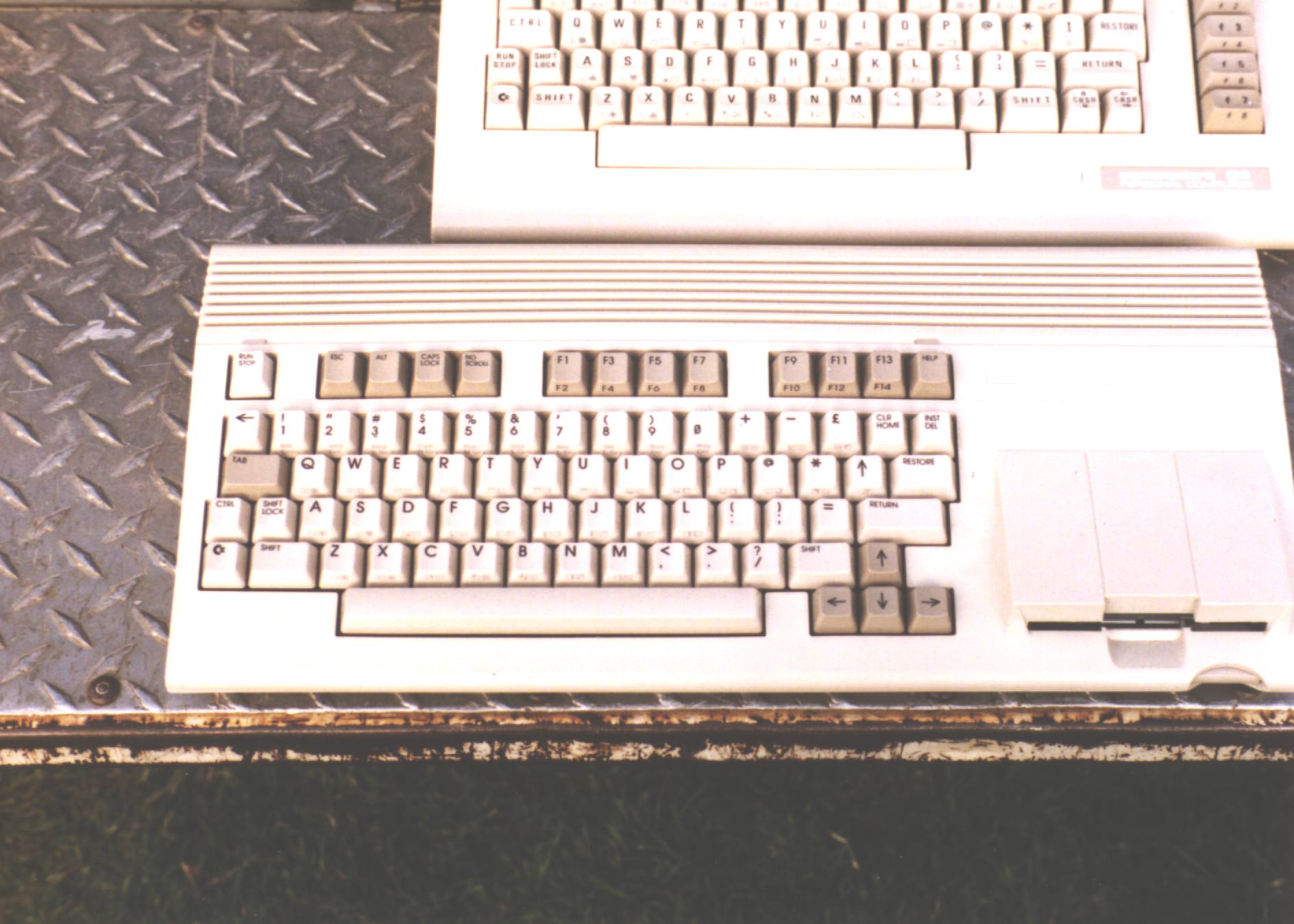
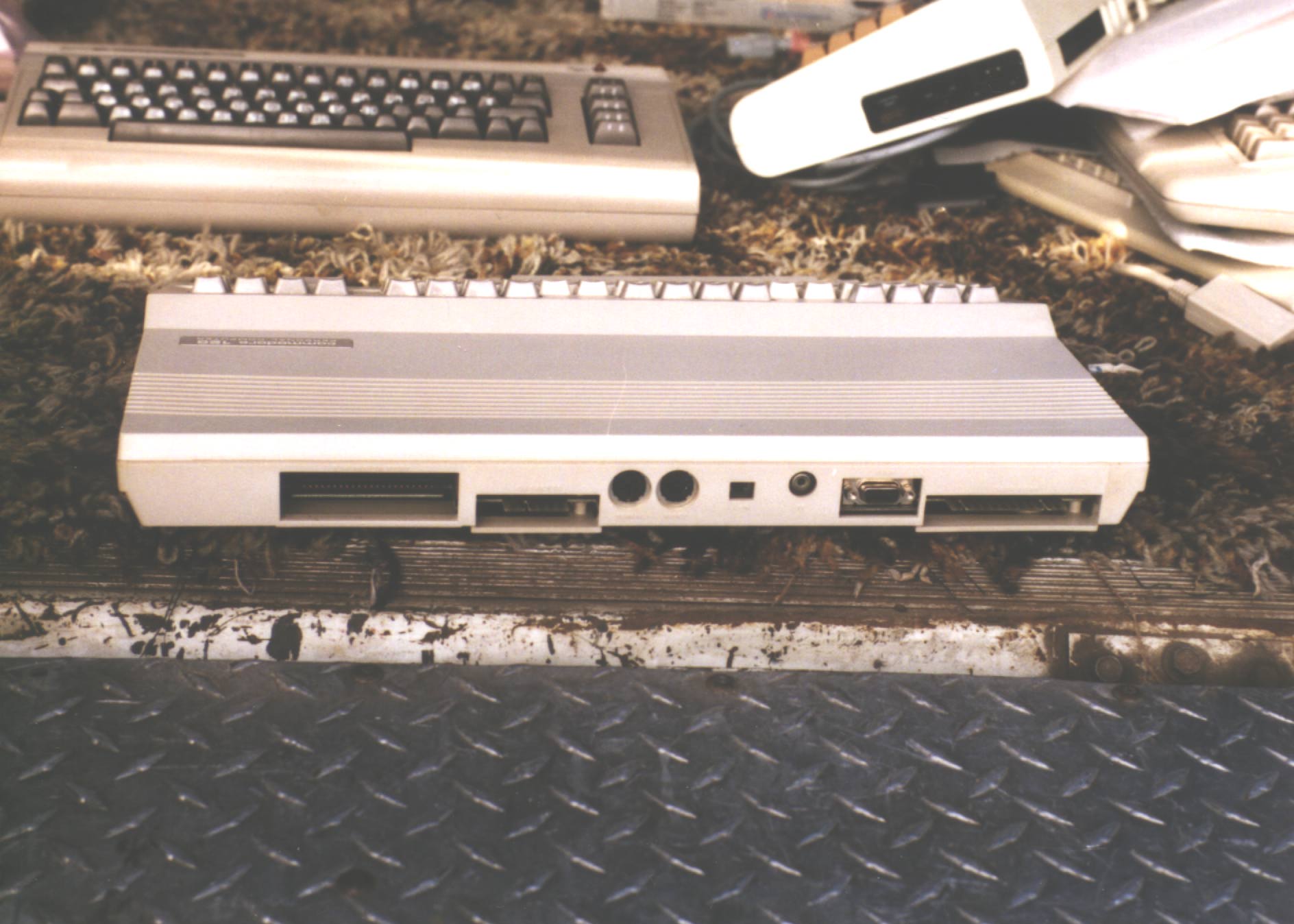
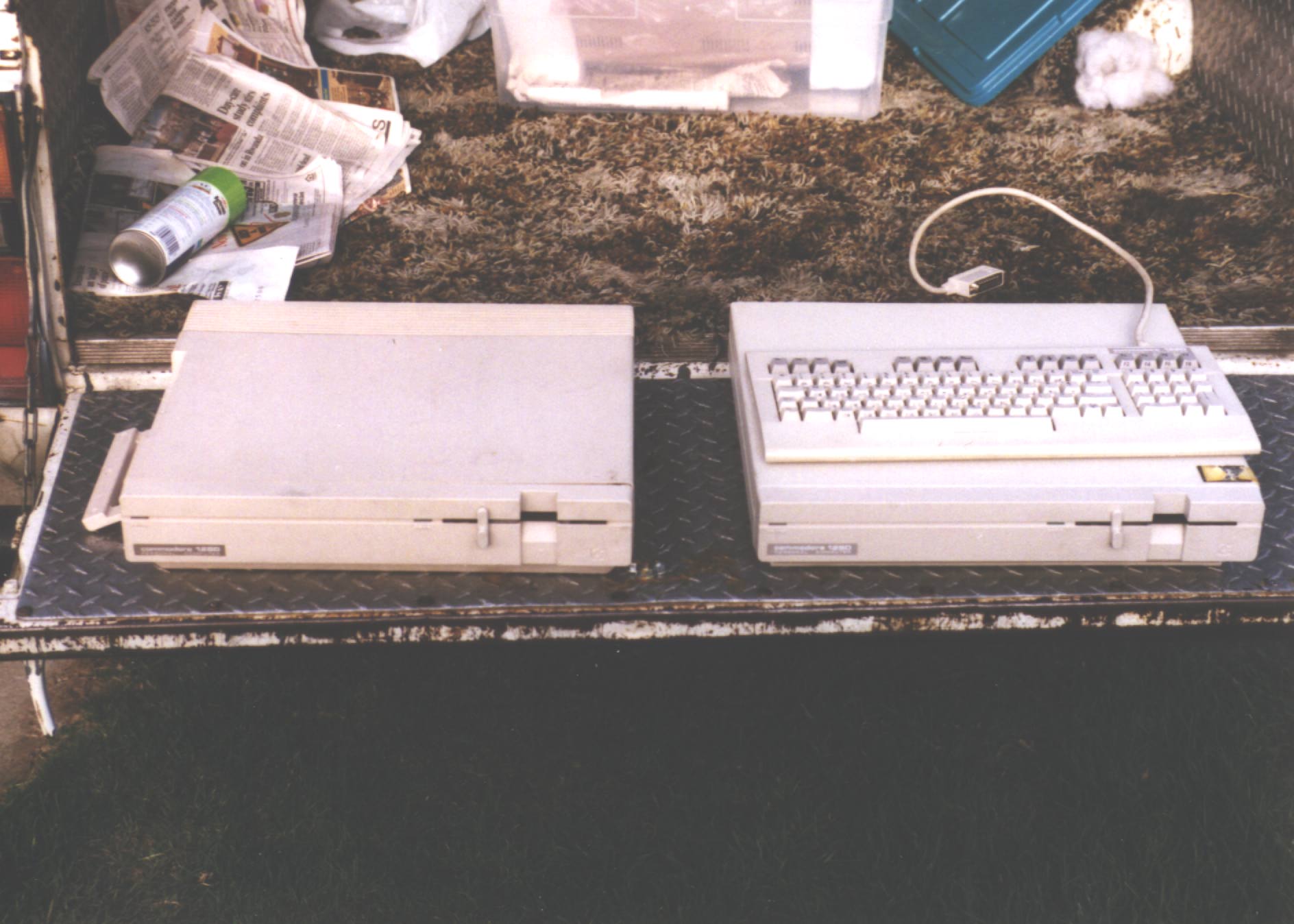
The prototype C128. Missing keys are just broken--not designed that way. S/N of this machine is less than 300, and supposedly has version 1 (never-released) ROMs. Also had not been FCC approved yet. This particular machine isn't working right now.